View report contents
Finding a YouTube niche should not begin with “What do I like?” It should begin with “Why would a viewer stop?” This report examines 10 examples spanning livestreams, Shorts, ambient music, gaming, DIY, animation, education, and practical tutorials. The goal is to identify each visual hook, viewing motive, and repeatable production model.
How to use this report: treat every case as a content model, not a topic to copy. Test whether the opening works, whether production is sustainable, and whether the structure can become a series.
Niche case
Water-transfer live: make the process feel like visual magic
Performance signal: Livestream replays from one recent week generated about 7 million views in total.
Why it works: A design slides from a spoon onto the water and then transfers to skin. The transformation is clear even without sound. Recognizable characters reduce the effort needed to understand the result, while the floating and transfer moments create a continuous calming reward.
Repeatable angle: Choose a short craft or experiment with an obvious transformation that can be repeated. Keep the camera fixed on the work area, show one completed result at the start, and then slow down. Check licensing for popular characters, or use original patterns and geometric designs.
Niche case
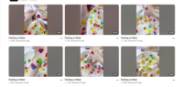
Drawing-robot live: combine technology contrast with completion
Performance signal: A channel with about 5,000 subscribers reached roughly 2 million replay views four hours after one livestream.
Why it works: A cute, compact robot moves across paper with surprising precision. Lines slowly forming into an image trigger completion curiosity, while motor and pen sounds add an ASMR quality. The robot’s “draw, pause, draw” rhythm also creates natural teaching and interaction beats.
Repeatable angle: Build a stream around a small machine that continuously produces visible results—drawing, assembling, or engraving. Switch patterns every few minutes, state the final objective in the title, and prepare a backup process in case the device stops.
Niche case
Live action with AI effects: use one impossible event as the hook
Performance signal: Thirty-nine Shorts accumulated about 600 million views.
Why it works: There is no setup: a person runs, a giant animal approaches, and intense audio begins immediately. Real locations provide a credible base, while one exaggerated AI event creates an impossible conflict. A vulnerable person or pet quickly adds emotional stakes.
Repeatable angle: Film live action with a clear movement and eyeline, then use AI for one central spectacle. Keep each video focused on one conflict. Rotate locations, targets, outcomes, and emotions so the same chase template does not become repetitive.
Niche case
Ambient piano: serve a stable background-listening need
Performance signal: One upload earned about 80,000 views in six days; 42 videos generated roughly 270,000 views in total.
Why it works: A 1.2-hour piano track supports work, study, meditation, or a calm morning. It begins with the main mood instead of a long introduction, and a beautiful static or lightly animated scene establishes the atmosphere. The format does not depend on a personality, so it can remain useful for longer.
Repeatable angle: Avoid generic “relaxing music.” Tie every upload to a specific time and use case—rainy-night reading, morning writing, or deep focus. Keep the thumbnail language and title template consistent, then build playlists around the same emotional promise.
Niche case
Sandbox-game stories: add one strange rule to a familiar world
Performance signal: Thirty-nine long-form videos accumulated about 21.98 million views.
Why it works: A realistic city suddenly contains a chocolate portal and a tsunami. The story shifts from a city-scale crisis to challenges inside the portal, linking spectacle with a sequence of small tasks. Excited narration and direct character prompts also encourage interaction.
Repeatable angle: Use “familiar character + impossible entrance + three challenges + resolved crisis” as the script. Change one rule per episode—candy, lava, ice, or false floors. Multilingual dubbing can expand reach, but the visuals must still explain the story without sound.
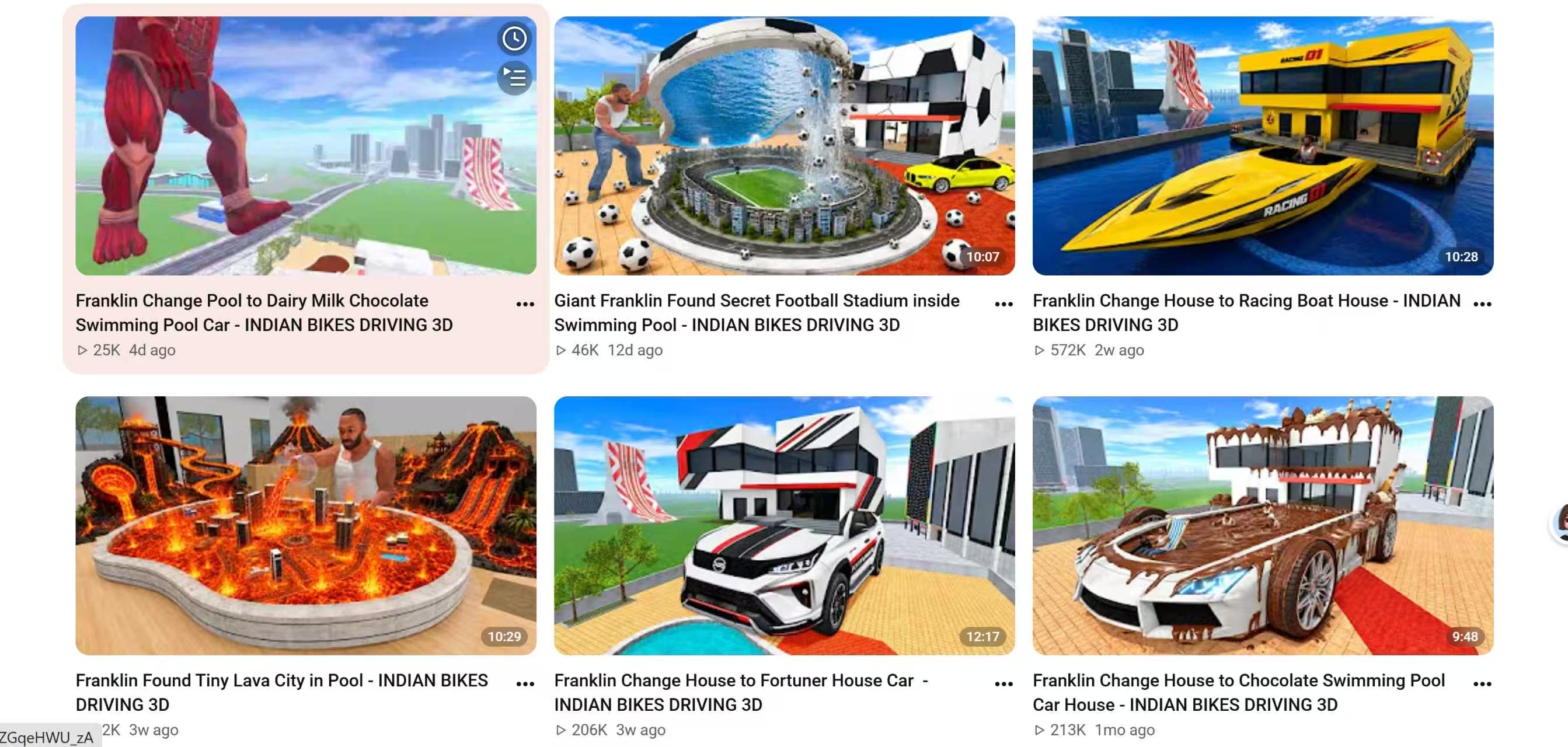
Niche case
Immersive garden DIY: transform cheap material into a premium result
Performance signal: Fifty-two videos accumulated about 2.4 million views.
Why it works: The video begins by collecting stones and records shaping, meshing, assembling, and planting until ordinary material becomes a hanging planter. Water, outdoor ambience, and repetitive handwork create an ASMR layer. Viewers follow every step to see the final transformation.
Repeatable angle: Choose a project with cheap materials, clear steps, and a strong before-and-after contrast. Flash the finished object for one second, then return to the raw material. Use one overhead and one close camera, reduce narration, and treat sound and hand detail as core content.
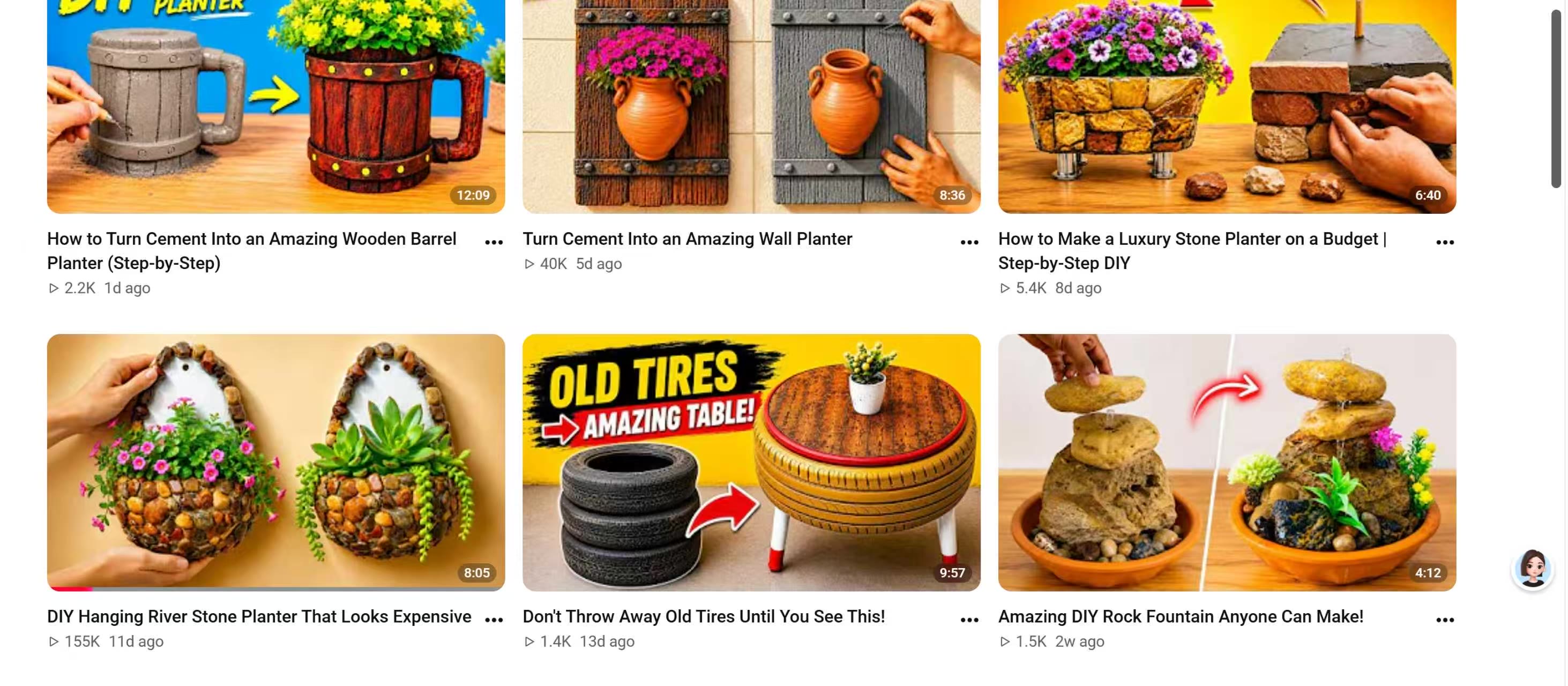
Niche case
Folklore horror animation: use transformation and discovery to drive a long story
Performance signal: About 11 videos accumulated more than 47.35 million views.
Why it works: Tourists eat a regional food and transform into half-human, half-fish creatures. Folklore, body transformation, an underwater world, and a monster confrontation create multiple stages. The opening chase establishes danger; infiltration, discovery, and strategy keep escalating it.
Repeatable angle: Extract one taboo from a local legend or festival, then show what happens after someone breaks it. A long video needs at least three clear phases: enter the unfamiliar world, discover its rules, and use those rules to solve the problem. Spectacle should serve the story.
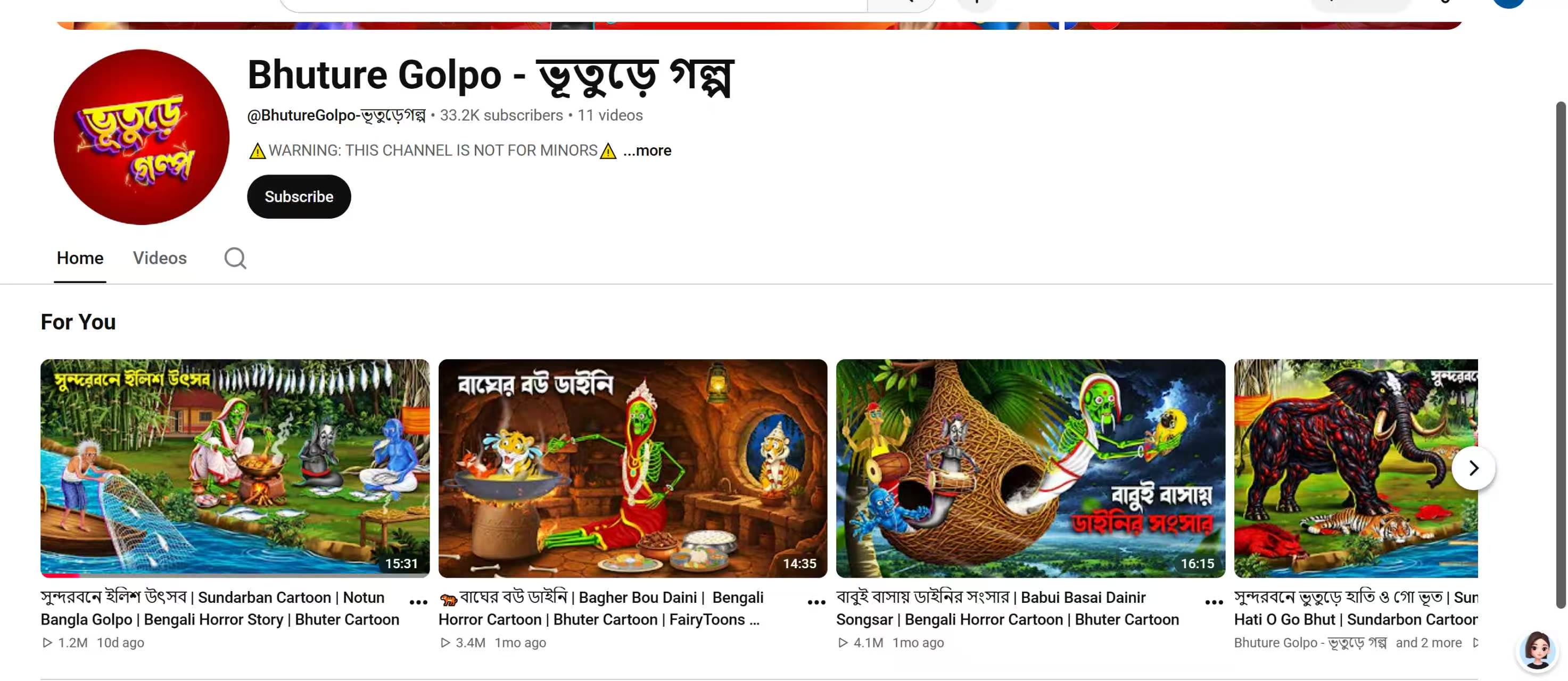
Niche case
Kids 3D animation: repeat problem, failure, and retry
Performance signal: Eighteen videos accumulated about 3.09 million views.
Why it works: After a small dinosaur is injured, its friends repeatedly build devices to help it move. The story presents one child-friendly problem, then extends attention through silly attempts, failed reversals, and another try. Doctor visits, safety, and daily habits also carry evergreen search demand.
Repeatable angle: Give each episode one everyday problem and three attempted solutions. The first fails quickly, the second causes a surprise, and the third solves it with a simple lesson. Actions and consequences must be clear without complex dialogue.
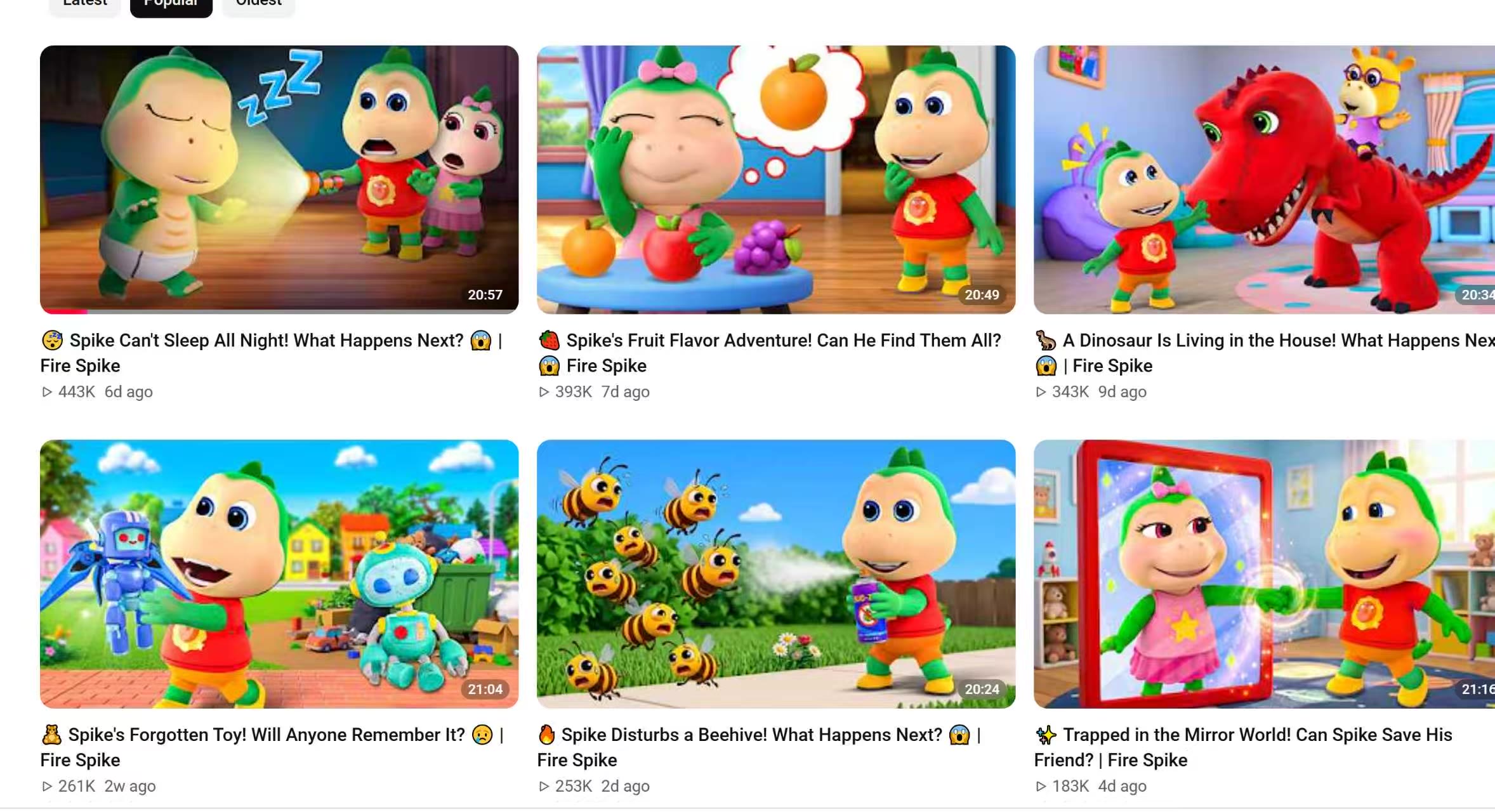
Niche case
Story-led English lessons: make viewers want the answer first
Performance signal: Thirty-four videos accumulated about 4.36 million views.
Why it works: The lesson opens with an emotional question: why did someone become angry after receiving a gift? Simple dialogue gradually reveals the misunderstanding. Viewers keep listening to understand the story, turning language practice into narrative curiosity rather than vocabulary memorization.
Repeatable angle: Use common frictions such as a wrong gift, being late, or ordering the wrong meal. Keep the cast and vocabulary small. Ask one question in the title, highlight the target sentence in subtitles, and use a final mini-reversal to repeat the key phrase.
Niche case
Pain-point tutorials: turn a complex process into stages
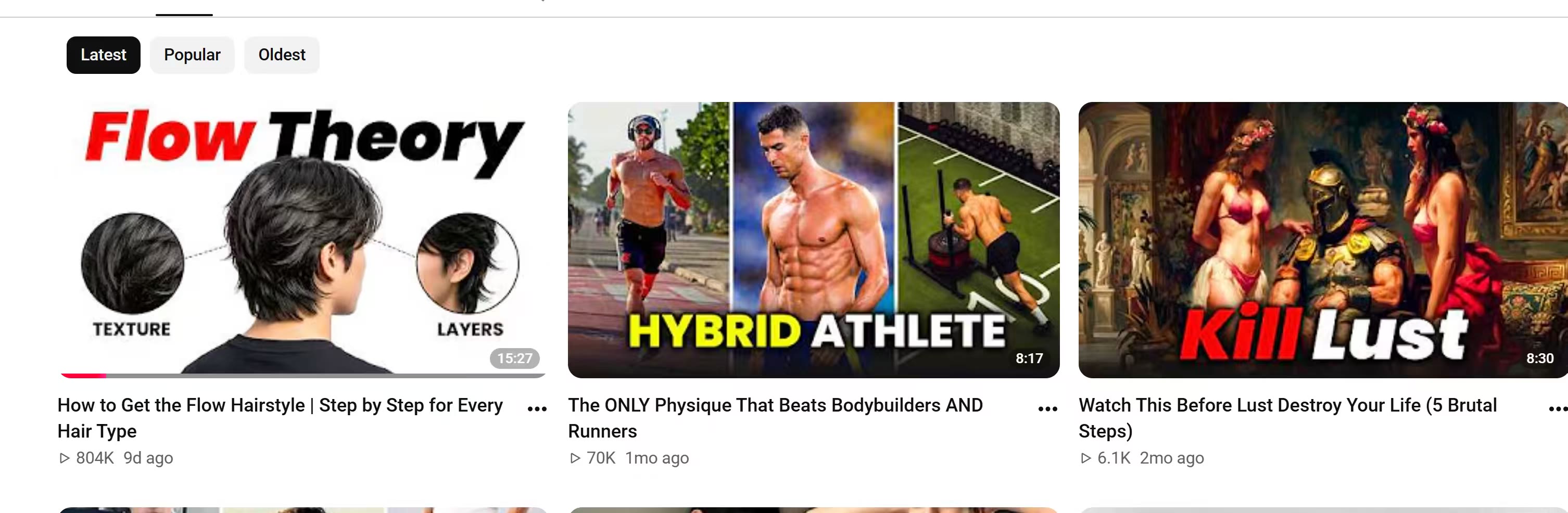
Performance signal: A recent men’s hairstyle tutorial exceeded 800,000 views.
Why it works: It begins with a shared pain point—why growing long hair rarely looks like the reference image—then explains the cause and promises a professional method. Breaking the advice into growth phases, barber communication, and hair types lets viewers find their current stage.
Repeatable angle: Use “state the pain point + remove a misconception + give a timeline + adapt for user groups.” The structure works for hair, fitness, skincare, and clothing. Promise one specific outcome in the title and reduce execution friction with a stage checklist.
Action summary
How to choose your test niche
Ask three questions: Can viewers understand the content within three seconds? Can you list ten topics that use the same structure? Is the time and cost per upload sustainable? A niche is ready for testing only when all three answers are clear.
During the test, do not change topic, format, and language at the same time. Hold one content model steady for three to five uploads. Track click-through rate, first-30-second retention, average view duration, and repeated needs in comments before deciding to continue or move on.